
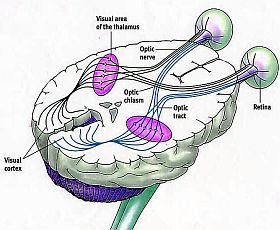
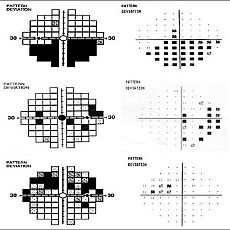
Assessment of the visual field searches deeper for deficits within the visual pathway.This involves the optic nerve ,optic tract ,and its radiations , tapping into nuclei (LGN) and finally the occipital or visual cortex.
How is this relevant to your eye check up?
Some people may have reduced vision, usually in one eye at first, and they quickly conclude the problem may be corrected with glasses. Umm… so much for that quick eye test. The problem however may lie with the entire pathway relaying the signal from the eye to the brain. Think of it as your phone line not working properly. It does not matter how pretty it looks ,it just is not working.
So what can be uncovered?
Our equipment can detect various conditions to list few; optic nerve damage from glaucoma, tumors, lesions, aneurisms which compress or damage the entire or part of the optic nerve pathway.
When is this test indicated?
Usually upon our suspicion there might be something wrong.
Frequently Asked Questions
How often should I have an eye exam?
It’s recommended that adults have a comprehensive eye exam every 1-2 years, even if your vision seems fine. For children, their first eye exam should be at 6 months, followed by another at 3 years old, and then annually during school years. If you wear glasses or contact lenses or have a medical condition like diabetes, you may need more frequent exams.
What are the signs that I need glasses?
If you’re experiencing frequent headaches, eye strain, blurry vision (either up close or at a distance), difficulty seeing at night, or squinting to focus, these could be signs that you need glasses. A comprehensive eye exam will determine if corrective lenses are necessary.
What causes dry eyes, and how can I treat it?
Dry eyes can be caused by aging, certain medications, environmental factors, or prolonged screen use. Treatment options include artificial tears, prescription eye drops, and lifestyle adjustments such as taking breaks from screens. An eye doctor can recommend the best course of treatment based on the severity of your symptoms.
Are there ways to prevent common eye diseases like glaucoma or cataracts?
While you can’t always prevent eye diseases, there are steps you can take to reduce your risk. These include wearing UV-blocking sunglasses, eating a healthy diet rich in antioxidants, avoiding smoking, and having regular eye exams to catch any issues early. Managing conditions like diabetes or high blood pressure can also help protect your eye health.