Binocular Vision by most of us is taken for granted. This skill is acquired by the fortunate patients where eyes learn to coordinate together in synergy and point to the object of interest. When we read , they skip along on a page , from one word to the next. One line to the next. When we participate in sports they track objects in space, allow you to anticipate an event which may transpire.
A large proportion of learning is visual, some estimate up to 80%. Learning is based on visual information acquisition and processing. This Binocular Vision assessment examines the manner in which the eyes coordinate, either together or individually. Can they navigate well across the page as the child attempts to read ? Can they align and point to an area of interest?
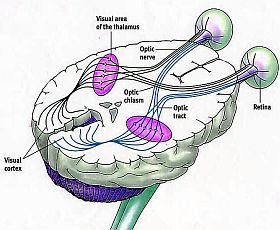
The reasons for the above are varied. These can include palsy or paresis of cranial nerves which control eye positions, eye socket blowout fracture, hollowing out of the eye socket, eye muscle entrapment and problems with the muscle itself. It needs to be born in mind that children may have minor eye alignment problems and not have any sinister problems mentioned above.
Strabismus can be associated with a misaligned eye.
Parent checklist;
Can they align and point to the task at hand ?
Can they track together ?
Is one eye suppressed by the brain ?
How well do they maintain their alignment when traversing through space, per given accommodative (focusing) demand ?
Can they maintain alignment when on task ?
Do they often go cross-eyed, or diverge out or up ?
Can they maintain alignment when reading a book ?
Are they tracking well when reading a book ?
Is eye hand coordination well developed ?
Are fine motor skills developed well, sufficient to write well ?
and so on…..
Our advice is to have your Child’s Binocular Vision assessed 2 times before their 7th Birthday. As they become older 1-2 yearly to ensure there are no challenges holding them back with learning.
Frequently Asked Questions
How often should I have an eye exam?
It’s recommended that adults have a comprehensive eye exam every 1-2 years, even if your vision seems fine. For children, their first eye exam should be at 6 months, followed by another at 3 years old, and then annually during school years. If you wear glasses or contact lenses or have a medical condition like diabetes, you may need more frequent exams.
What are the signs that I need glasses?
If you’re experiencing frequent headaches, eye strain, blurry vision (either up close or at a distance), difficulty seeing at night, or squinting to focus, these could be signs that you need glasses. A comprehensive eye exam will determine if corrective lenses are necessary.
What causes dry eyes, and how can I treat it?
Dry eyes can be caused by aging, certain medications, environmental factors, or prolonged screen use. Treatment options include artificial tears, prescription eye drops, and lifestyle adjustments such as taking breaks from screens. An eye doctor can recommend the best course of treatment based on the severity of your symptoms.
Are there ways to prevent common eye diseases like glaucoma or cataracts?
While you can’t always prevent eye diseases, there are steps you can take to reduce your risk. These include wearing UV-blocking sunglasses, eating a healthy diet rich in antioxidants, avoiding smoking, and having regular eye exams to catch any issues early. Managing conditions like diabetes or high blood pressure can also help protect your eye health.