
How is this relevant?
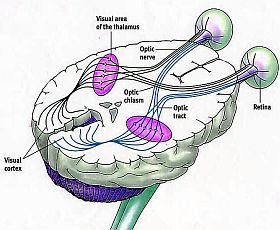
Your Optic Nerve carries messages from the eye to the brain, so it is an integral part of the visual system.
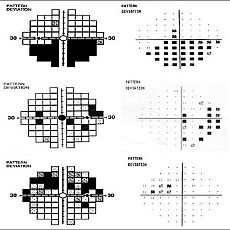
There are relatively common localised eye diseases such as Glaucomatous Neuropathy, which affect the Nerve.They can be picked up by careful imaging and microscopic assessment.On some occasions you may need to have your pupil dilated for more detailed inspection.Early deterioration of the nerve does not yield any symptoms. The sneaky part is you can have advanced optic nerve conditions and not be aware of it .
Some other disorders which can affect the Optic Nerve are; Multiple Sclerosis, Congenital Conditions, Strokes, Aneurisms , Compressive Lesions affecting the visual pathways, as well as Ischemic Conditions (diminished microcirculation),old signs of Brain or Eye Trauma, Swelling of parts of the brain. This test is non-invasive and recommended by our practice during full eye assessments.
Optic Nerve Imaging Modalities at the practice.
Slit-lamp exams
Optic Nerve 2D scans
Optic Nerve Optical-CT 3D scans; RNL Retinal Nerve Fiber Layer , Ganglion Cell Analysis
Optic Nerve Optical -CT Angioplex; Vessel Network Analysis of Optic Nerve Head
Frequently Asked Questions
How often should I have an eye exam?
It’s recommended that adults have a comprehensive eye exam every 1-2 years, even if your vision seems fine. For children, their first eye exam should be at 6 months, followed by another at 3 years old, and then annually during school years. If you wear glasses or contact lenses or have a medical condition like diabetes, you may need more frequent exams.
What are the signs that I need glasses?
If you’re experiencing frequent headaches, eye strain, blurry vision (either up close or at a distance), difficulty seeing at night, or squinting to focus, these could be signs that you need glasses. A comprehensive eye exam will determine if corrective lenses are necessary.
What causes dry eyes, and how can I treat it?
Dry eyes can be caused by aging, certain medications, environmental factors, or prolonged screen use. Treatment options include artificial tears, prescription eye drops, and lifestyle adjustments such as taking breaks from screens. An eye doctor can recommend the best course of treatment based on the severity of your symptoms.
Are there ways to prevent common eye diseases like glaucoma or cataracts?
While you can’t always prevent eye diseases, there are steps you can take to reduce your risk. These include wearing UV-blocking sunglasses, eating a healthy diet rich in antioxidants, avoiding smoking, and having regular eye exams to catch any issues early. Managing conditions like diabetes or high blood pressure can also help protect your eye health.